
Wednesday, 21 March 2012
Choosing the right CRM development model depends on the unique circumstances of each project. Based on my experience, evolutionary models are often better suited than waterfall models. Waterfall models rely on completing each phase before moving to the next. However, it is nearly impossible to fully define project specifications at the start. This is especially true in dynamic areas like marketing and sales, where users may not always know exactly what they want.
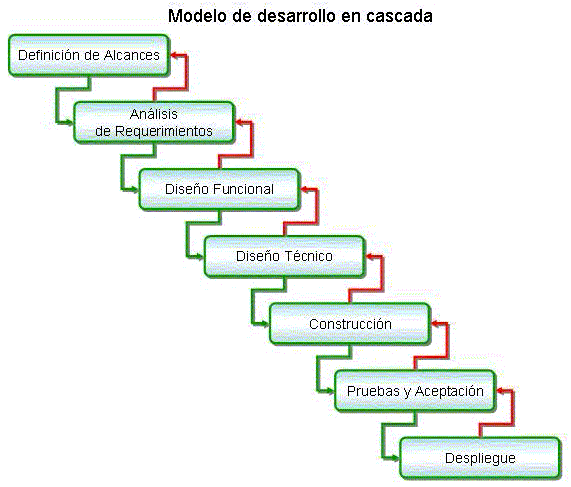
While waterfall models allow for revisions, issues discovered late in the process—during construction or testing—are more expensive to fix. Additionally, they require extensive documentation that quickly becomes outdated. These models are popular among large consulting firms because they align with hierarchical structures. In these cases, senior consultants handle early stages, while junior staff manage construction. Unfortunately, this setup can lead to errors due to inexperience in earlier phases.
Why I prefer the spiral development model
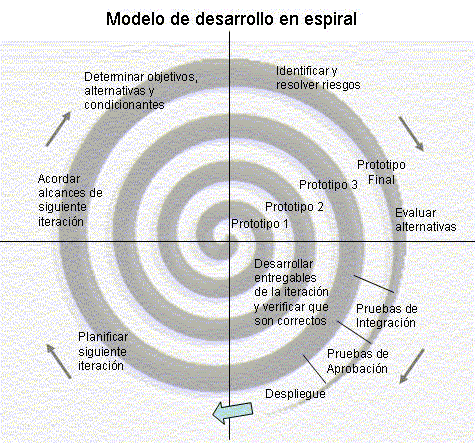
For implementing commercial CRM packages like Siebel or SAP CRM, I recommend a spiral development model. This approach emphasizes prototypes and partial deliveries, starting with the system’s core functionality and general scope.
Development is broken into stages, each managed like a mini-project. This gives users early visibility into the system and reduces surprises or misinterpretations later on. It also helps users adopt small sets of functionalities gradually.
This model requires a higher level of expertise among consultants but reduces overall team size. Developers often take on multiple roles, eliminating rigid stage separations between analysis, design, construction, and testing. However, managing project scope becomes more challenging. Without closing all points before development starts, scope risks must be carefully controlled to avoid problems.

