

In the digital age, Project Sourcing Optimization has become essential for companies aiming to enhance their purchasing processes. By integrating data-driven decision-making and advanced analytics, businesses can improve performance across all levels. This shift empowers organizations to leverage technology effectively, turning their purchasing processes into a competitive advantage.
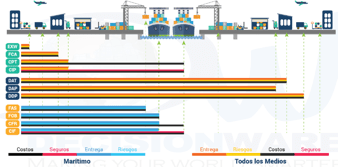
Advantages of Optimizing Purchasing Processes
Optimizing purchasing processes provides several key benefits:
- Reducing costs through efficient purchasing strategies.
- Testing different business rules to find optimal solutions.
- Enabling suppliers to refine bids continuously.
- Reducing bid analysis time and improving scenario evaluation.
- Creating measurable solutions that can be presented to decision-makers.
This optimization also addresses challenges like multiple supplier offers, diverse commercial conditions (e.g., INCOTERMS), and inventory management complexities.
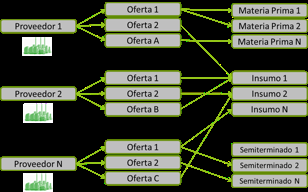
Challenges in Procurement
Implementing effective Project Sourcing Optimization involves addressing the following challenges:
- Performing descriptive analyses of investments to improve income statements.
- Optimizing procurement processes, such as inventory logistics, scheduling, and supply chains.
- Unifying supplier processes to enhance operational efficiency.
The Project: Visualizing Purchasing Actions
The project focuses on creating a system for visualizing purchasing actions, structured to deliver actionable insights. Objectives include:
- Automating data loading to ensure system autonomy and reusability.
- Enabling analysts to focus on exceptions that yield significant improvements.
- Visualizing scenarios to understand relationships between indicators and dimensions.
Implementation Steps
- Data Preparation:
- Cleaning and normalizing data from various sources.
- Structuring databases and automating data flow processes.
- Ensuring error recovery and exception handling.
- Modeling:
- Developing relational models with key tables and attributes.
- Establishing relationships for enriched data analysis.
- Scorecard Development:
- Supplier View: Analyzes suppliers by category and location.
- Financial View: Tracks major expense items and spending by geography.
- Product View: Evaluates spending volume and supplier performance.
- Comparator View: Simulates purchase scenarios and compares products.
Starting point
The project has the ability to structure, consolidate and display key analysis indicators based on data dumps extracted from accounting systems.
It supports a large volume of data split from different sources and with information from multiple years.
Few fields are required to achieve an enriched visualization of indicators:
Account
Category
Product
Suppliers
Expenses
Plant
Date
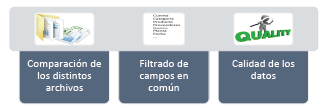
Work (understand the business and normalize)
-Understanding data collection.
-Interpreting the content of the data and the value it can provide.
-Assessing the quality of the data.
Work performed (Load Automation)
-Data cleaning.
-Creation of databases.
-Connection between the different tools used.
-Design of load flows.
-Exception control.
-Error recovery.
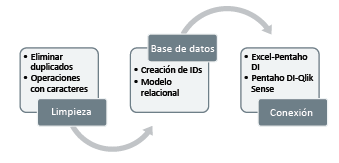
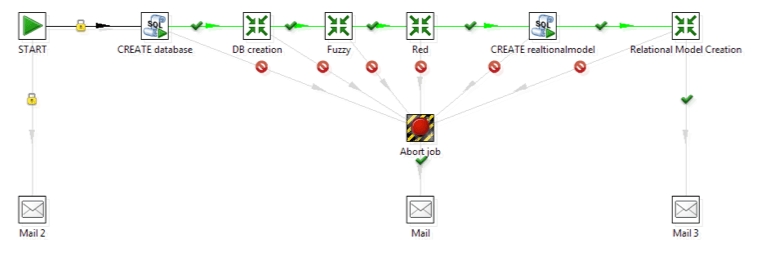
Transformations
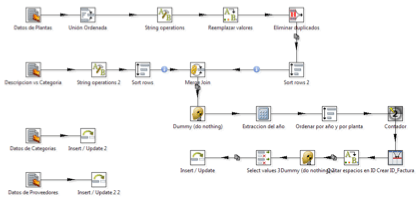
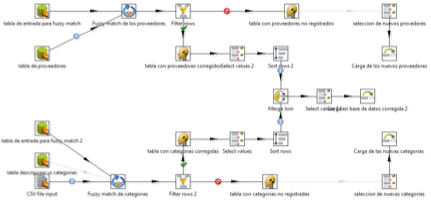
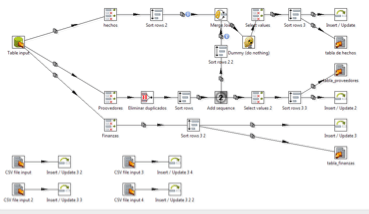
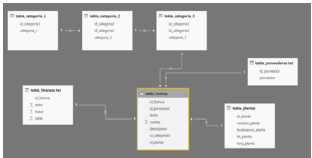
Work done (Modeling)
-Elaboration of the relational model.
-Definition of main tables.
-Creation of relationships and attributes.
Work performed (Scorecard)
-The scorecard presents five possible analysis views:
Overview view
Supplier view
Financial view
Product view
Simulator – Comparator view
Genera View
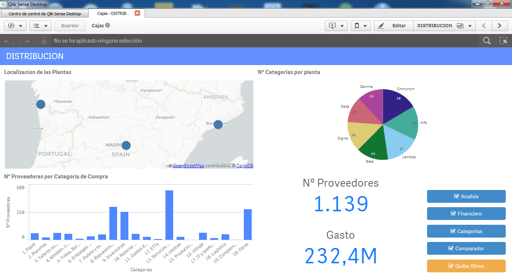
Suppliers view.
-Displays data sorted by product.
-Sorts by “pareto” criteria in order to allow targeted analysis.
-Filter by categories, navigating through the product hierarchy.
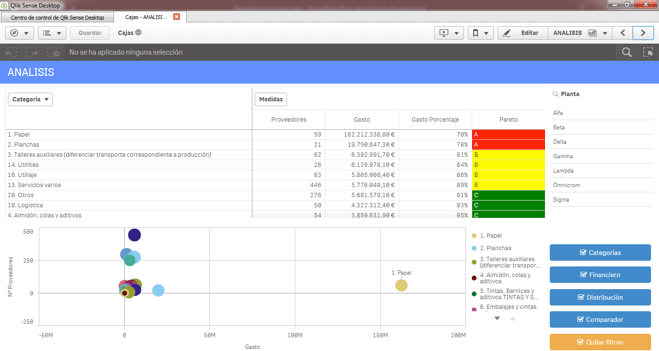
Financial View.
-It presents the major expense items sorted by categories.
-Distributes spending by geography according to volume.
-Allows to observe the historical evolution of product purchases.
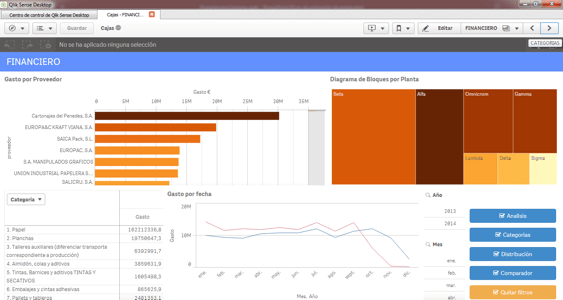
Product View
-Facilitates analysis of spend by category
-Presents purchase volume by supplier and location

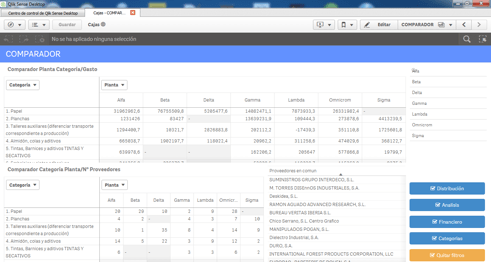
Comparator
-Advanced analysis tool that allows you to select different items and perform comparisons and simulations between them, allowing the construction of purchase scenarios.
Advanced Modeling for Scenario Analysis
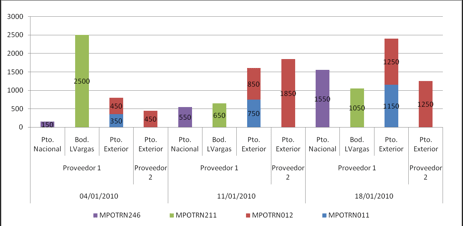
Incorporating advanced mathematical models, this phase builds scenarios reflecting purchasing demands, inventory levels, and supplier proposals. These models allow analysts to pinpoint improvement areas and predict future needs accurately.
Benefits of Project Sourcing Optimization
- Identifying optimal purchasing points and geographic dispersions.
- Analyzing suppliers by category, location, and volume.
- Comparing supplier performance across regions.
- Building advanced scenarios for improved decision-making.
By leveraging data analytics, Project Sourcing Optimization enables companies to enhance procurement strategies, streamline operations, and gain a competitive edge in today’s market.
